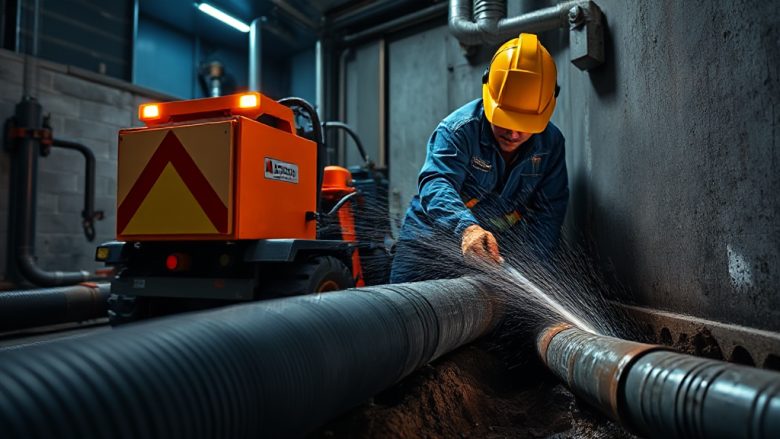
Choosing a Drain and Sewer Specialist in Mooca, São Paulo
By the end of this article you will have a clear, defensible way to select a desentupidora em Mooca São Paulo SP without overpaying or gambling on an unverified crew. Mooca is an old, densely built district where clay and cast-iron laterals, shared condominium stacks and restaurant grease lines fail in predictable ways. The right choice is less about the flashiest truck and more about matching the method, the response time and the paperwork to the specific building you own or manage.
This is written as advice for a cautious client: a homeowner, a síndico or a small commercial operator who wants the job done once, documented, and at a fair price. Below you will find the trade-offs that actually matter, presented as a comparison in plain prose, and a recommendation you can act on this week.
What makes Mooca different from a generic São Paulo address
Mooca sits between the Tamanduateí lowlands and older industrial blocks, and that geography shapes plumbing. Many buildings here predate modern PVC standards, so the lateral from the building to the public collector may be a mix of materials joined decades apart. A crew that only carries a manual auger will struggle where a camera inspection and hydro-jetting are needed.
The district also mixes residential streets with heavy food-service corridors. Grease and food solids behave differently from the paper and wipes that clog a residential stack. That distinction matters when you compare quotes, because the equipment and the time on site differ substantially.
The building types you will encounter
Three building profiles dominate the district, and each has a different failure pattern. A cautious client should identify which one they are dealing with before calling anyone.
- Older low-rise residential buildings with cast-iron or clay laterals, where root intrusion and joint offsets are common.
- Mid-rise condominiums with shared vertical stacks, where a single blockage can back up several apartments at once.
- Commercial kitchens and restaurants with grease traps, where the trap itself becomes the bottleneck if it is not pumped on schedule.
Knowing your profile tells you what to ask for. A shared stack needs a crew that understands building hydraulics and can coordinate with the síndico. A restaurant needs a grease-trap pump-out, not just a rodding of the drain line.
Comparing the options: what you are really choosing between
Most people frame the decision as “cheap versus expensive.” The more useful comparison is between service models, because the model determines the method, the response window and the documentation you receive. The table below is a real comparison of the three models you are likely to encounter when you search for a desentupidora Mooca.
| Service model | Typical method | Response window | Documentation | Best for |
|---|---|---|---|---|
| Informal handyman | Manual auger, plunger, basic rodding | Same day, variable | Verbal only | Simple single-fixture clogs in a house |
| General plumbing firm | Rodding plus limited jetting | Next business day | Simple invoice | Routine repairs and small replacements |
| Emergency specialist | Hydro-jetting, camera inspection, grease-trap pumping | 24-hour callout | Report, photos, service record | Condominium stacks, restaurants, recurring backups |
The pattern is consistent: the more complex the blockage, the more the specialist model pays for itself. A handyman who clears a symptom without inspecting the line often leaves the root cause in place, and the backup returns within weeks. For a cautious client, that repeat visit is the real cost.
Method comparison: rodding versus hydro-jetting
Rodding punches a hole through the obstruction. Hydro-jetting uses high-pressure water to scour the full pipe wall, removing grease film and scale that a rod leaves behind. For a residential sink, rodding is often enough. For a restaurant line or a shared stack, hydro-jetting is the method that prevents the callback.
Camera inspection is the third piece. It turns a guess into a diagnosis, showing whether the problem is grease, roots, a collapsed section or a misaligned joint. Without it, any quote for a larger repair is speculative.
Cost and trade-off comparison
Pricing in São Paulo is rarely a fixed menu, so treat any quote as a scope statement rather than a number. The trade-offs that matter are these:
- Response time versus price: a 24-hour emergency callout costs more than a scheduled visit, but it prevents water damage that dwarfs the fee.
- Diagnosis versus speed: skipping the camera inspection saves an hour now and often costs a full re-excavation later.
- Documentation versus convenience: a written report with photos is what protects a síndico in a condominium assembly.
A cautious client should ask for the scope in writing: which line, which method, whether a camera inspection is included, and whether the grease trap is part of the job. Vague quotes are the single most common source of disputes.
Preventive maintenance versus reactive calls
Reactive calls dominate the market because they are visible. Preventive maintenance is quieter but cheaper over a year. A scheduled jetting of a restaurant line or an annual inspection of a condominium stack catches the narrowing before it becomes a backup at 2 a.m.
For a building manager, the trade-off is straightforward: a planned visit can be budgeted and scheduled during business hours, while an emergency callout arrives at the worst possible time and at a premium. The specialist model supports both, which is why it fits buildings with shared infrastructure.
How to vet a provider and what to do next
Vetting is where cautious clients separate themselves from impulsive ones. The goal is to confirm three things before anyone arrives: that the firm actually serves Mooca, that it has the equipment for your specific blockage, and that it will document the work.
Questions to ask before booking
Ask these directly and note the answers. A firm that hesitates on any of them is telling you something useful.
- Do you serve Mooca directly, and what is your realistic arrival window tonight?
- Do you carry hydro-jetting equipment and a camera, or only rodding tools?
- Is the grease trap, if present, included in the scope?
- Will I receive a written report with photos after the service?
- What is the callout fee, and is it credited against the final price?
The answers reveal the service model. A firm that confirms 24-hour coverage, carries jetting and camera gear, and issues a report is operating as an emergency specialist. That is the model that matches condominiums and commercial kitchens.
Red flags a cautious client should not ignore
Several warning signs recur in this market. A quote given without seeing the line, a demand for full cash payment before work begins, and a refusal to name the method are all reasons to pause. Equally, a crew that proposes excavation before any camera inspection is guessing at your expense.
Never authorize a large repair without a camera diagnosis. It is the single most effective protection against unnecessary digging. A legitimate provider will show you the footage and explain what it means.
What a documented service looks like
A proper record includes the date, the line serviced, the method used, the before-and-after condition, and any recommendation for follow-up. For a condominium, this record is what justifies the expense in the next assembly. For a restaurant, it is the evidence that the grease trap was maintained.
When you book a desentupidora Mooca São Paulo SP that works this way, you are buying a diagnosis and a record, not just an hour of labor. That distinction is what makes the specialist model worth its premium.
Common mistakes that turn a small clog into a large bill
The most frequent mistake is treating a recurring backup as a series of unrelated incidents. Each reactive call clears the symptom; none addresses the cause. A second mistake is ignoring the grease trap until it overflows, which pushes grease into the main line and turns a pump-out into a jetting job.
A third mistake is choosing on price alone without comparing scope. Two quotes that look different often describe different jobs. The cheaper one may exclude the camera inspection or the trap, and the difference surfaces only when the work begins.
The recommendation
For a cautious client in Mooca, the defensible choice is an emergency specialist that serves the district directly, carries hydro-jetting and camera equipment, and documents every job. That model costs more per visit than a handyman, but it removes the repeat call, the speculative excavation and the dispute over scope.
Act in this order: identify your building profile, ask the five vetting questions, insist on a camera diagnosis before any large repair, and keep the written report. If you follow that sequence, the choice of provider becomes a controlled decision rather than a gamble during a backup. The result you set out for at the start, a job done once at a fair price with paperwork to prove it, is exactly what this approach delivers.