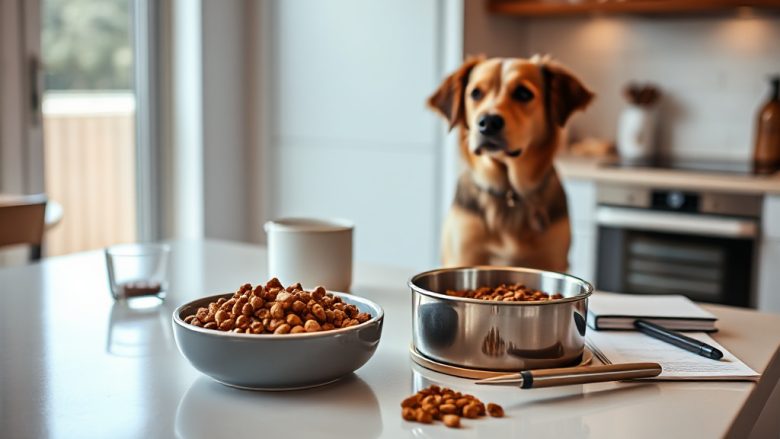
If your dog has a sensitive stomach, the first change is usually the protein source and how many ingredients are in the bowl. Here is how to compare options without guessing. A “sensitive stomach” formula is rarely a magic recipe. It’s a set of choices: fewer ingredients, a protein the dog has not eaten before, a fibre type that suits the gut, and a fat level the digestive system can actually handle. Get those four things right and most recurring loose stools or vomiting episodes settle down within a couple of weeks. Get them wrong and you can spend months rotating bags of food that all look different on the shelf but behave the same way inside the dog.
Finding the best food for dogs with sensitive stomachs isn’t about picking the most expensive bag or the one with the friendliest packaging. It’s about reading the label like an owner who knows what to look for. This article compares the ingredient profiles that matter, explains the label claims that are worth trusting, and outlines a simple elimination method you can run with your vet.
Protein sources: novel, limited, or hydrolysed
Protein is almost always the first suspect when a dog has a sensitive stomach. That doesn’t mean protein is bad. It means a specific protein is causing trouble, and the gut is telling you so.
A novel protein is one your dog has never eaten before. If your dog has grown up on chicken and beef, then turkey, duck, venison, rabbit, or white fish are novel. The logic is straightforward: if the immune system has never seen the protein, it’s less likely to react to it. Novel protein diets work well for dogs with a suspected food intolerance rather than a true allergy, and they’re often the first thing a vet suggests when stools are soft but the dog is otherwise bright.
A limited ingredient diet takes a different angle. Instead of focusing on novelty, it strips the recipe down to a short list. One protein, one carbohydrate, and a small number of extras. Fewer ingredients means fewer chances of a trigger, and it also makes elimination trials easier to interpret. If your dog improves on a five-ingredient food, you have a much shorter list of suspects than if you’d switched to a twenty-ingredient recipe.
Hydrolysed protein is the third option, and it’s the one most owners misunderstand. In these diets, the protein is broken down into fragments so small that the immune system is unlikely to recognise them. Hydrolysed food is typically used when a vet suspects a genuine allergy rather than a mild intolerance, or when a novel protein trial hasn’t worked. It tends to be more expensive and less palatable, so it’s usually a targeted choice rather than a first step.
Whichever route you take, check the label for the named protein. “Meat and animal derivatives” tells you almost nothing. “Turkey” or “white fish” tells you what you’re actually feeding.
Fibre: soluble, insoluble, and why the type matters
Fibre gets treated as a single thing on most dog food labels, but soluble and insoluble fibre do very different jobs in the gut.
Soluble fibre absorbs water and forms a gel. It slows digestion, feeds beneficial gut bacteria, and helps firm up loose stools. Good sources include pumpkin, sweet potato, oat, and psyllium. If your dog’s problem is frequent soft stool rather than vomiting, soluble fibre is often the most useful addition.
Insoluble fibre adds bulk and speeds transit through the gut. It’s helpful for dogs that strain or produce small, hard stools, but it can make loose stools worse if you overdo it. Sources include wheat bran, cellulose, and some vegetable fibres.
Many sensitive stomach formulas blend both, and that’s usually sensible. What you want to avoid is a food that lists several fibre sources without naming them clearly, or one that pushes total fibre very high. A crude fibre figure somewhere in the region of three to five percent suits most dogs with mild digestive sensitivity. Very high fibre diets are sometimes prescribed for specific conditions, but they’re not a general fix.
Prebiotics deserve a mention here. Ingredients like chicory root, inulin, and fructo-oligosaccharides feed the good bacteria in the gut. They’re not a cure, but they support the environment that keeps digestion steady. Probiotics, which are live bacteria, are more useful during and after a bout of diarrhoea than as a permanent addition.
Fat levels: the quiet trigger most owners miss
Owners tend to focus on protein and overlook fat. That’s a mistake. High-fat food is one of the most common reasons a sensitive dog has greasy, loose stools or vomits after eating.
Fat is energy-dense and takes longer to digest. A dog with a sensitive gut may handle a moderate-fat diet perfectly well but struggle with anything above roughly fifteen percent fat on a dry matter basis. If your dog’s stools are pale, greasy, or unusually smelly, fat is a strong suspect.
Look at the guaranteed analysis on the bag. Fat is listed as a percentage, but that figure is on an as-fed basis. To compare fairly between wet and dry food, or between a bag with high moisture and one with low moisture, you need to convert to dry matter. The maths is simple: divide the fat percentage by the dry matter percentage, then multiply by one hundred. A food showing ten percent fat with twenty percent moisture has eighty percent dry matter, so the dry matter fat is 12.5 percent. That’s the number that actually matters.
Lower-fat doesn’t mean no fat. Dogs need fat for healthy skin, coat, and hormone function. The goal is a level the gut can process comfortably, not the lowest number on the shelf.
Grain options: grain-free isn’t automatically gentler
There’s a persistent belief that grain-free food is better for sensitive stomachs. For most dogs, that isn’t true.
Genuine grain allergies in dogs are uncommon. When a dog reacts to a dry food, the trigger is far more often a protein or a specific ingredient than the grain itself. Rice, oats, and barley are among the gentlest carbohydrate sources available, and they’re easy on a disturbed gut. White rice in particular is a staple of bland diets for exactly that reason.
Grain-free recipes often replace grain with legumes, pulses, or potato. These can be harder to digest for some dogs, and they may increase the fat content depending on the recipe. If your dog does well on a grain-free food, that’s fine, but there’s no reason to assume grain-free is the safer default.
What matters more is the carbohydrate as a whole. Simple, well-cooked carbohydrates like rice, oats, and sweet potato tend to sit better than dense legume blends. If a label lists four or five different plant proteins before you reach the main carbohydrate, that’s a sign the recipe is complex, and complexity makes elimination trials harder.
Running a vet-guided elimination trial
Changing food at random teaches you very little. An elimination trial is a structured way to find out what your dog actually tolerates.
Start by choosing a single novel protein and a single carbohydrate, or a hydrolysed diet if your vet recommends one. Feed nothing else for a set period, usually six to eight weeks. That means no treats, no table scraps, no dental chews, no flavoured medication, and no shared bowls with other pets. It sounds strict because it is. A single biscuit can undo three weeks of progress.
Keep a simple daily log: stool consistency, appetite, energy, and any vomiting. Note the date you started and any slips. After the trial period, if symptoms have settled, you can reintroduce one old ingredient at a time, spaced a week apart, to identify the trigger. If nothing improves, the problem may not be food at all, and your vet will want to look at other causes.
Transition slowly. Mix a small amount of the new food into the old over seven to ten days, increasing the proportion gradually. A sudden switch can cause loose stools even in a dog with an iron stomach.
Speak to your vet before starting, especially if your dog is losing weight, vomiting frequently, or has blood in the stool. Those signs need proper investigation, not a bag of food.
Frequently asked questions
How long does it take for a sensitive stomach diet to work?
Most owners notice a difference within two to three weeks, but a full elimination trial runs for six to eight weeks. If nothing has changed by week four, the diet probably isn’t the answer and it’s worth going back to your vet.
Can I just switch to a grain-free food?
You can, but it’s rarely the fix. Grain allergies are uncommon in dogs, and grain-free recipes often swap in legumes that some dogs find harder to digest. A limited-ingredient food with a novel protein is usually a better starting point.
Are wet foods gentler than dry?
Not automatically. Wet food has higher moisture, which can help dogs that don’t drink enough, but the protein, fat, and fibre levels matter far more than the format. Compare dry matter figures rather than the numbers on the tin.
Should I add pumpkin or probiotics to every meal?
Plain cooked pumpkin is a useful short-term addition for loose stools, and probiotics can help during and after a bout of diarrhoea. Neither replaces a properly chosen diet. Use them as support, not as the main strategy.
What should I check first on a label?
Start with the named protein, then the fat level, then the fibre sources. If the protein is vague, the fat is high, or the ingredient list runs long, keep looking. A short, clearly named recipe is easier to judge and easier to trial.
Choosing the best food for dogs with sensitive stomachs comes down to a handful of decisions you can make at the shelf. Pick a named protein your dog hasn’t eaten before, keep the ingredient list short, choose moderate fat over high fat, favour gentle carbohydrates over complex blends, and run any change as a proper trial rather than a hopeful swap. Do that, keep a log, and involve your vet when symptoms are severe or persistent, and you’ll have a much clearer picture of what actually works for your dog.